What is PLR?
Unlocking the Potential: a Deep Dive into Plr
Introduction to Private Label Rights (PLR)
In the realm of digital marketing, the initiation of Private Label Rights, or PLR, emerged as a game-changer. PLR stands for an innovative approach allowing individuals and businesses to amplify their content offerings rapidly. PLR stands for Private Lable Rights. PLR material is generated by someone else and sold with the right to edit, brand, and use it as your own.
There are several types of PLR products, including:
- Ebooks
- Blog posts
- Articles
- Reports
- Graphics
- Templates
- Software
- Audio and video recordings
- Courses
Here is an example of a PLR Planner.
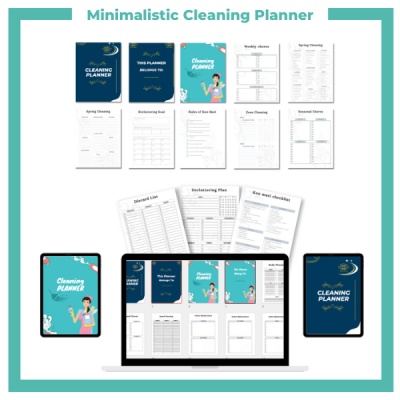
This concept revolves around leveraging pre-created info-products — ranging from PLR eBooks to prewritten blog content to planners, journals and even kid’s activities, such as featured in the very popular The Unpopular Mom’s PLR site — for customization and reselling under one’s brand. The strategic use of PLR in content marketing has underscored the efficiency of deploying products without the complexities of starting from zero. By adopting PLR, marketers have unlocked new dimensions in brand boosting and reaching broader audiences. With the rights to alter and claim ownership, the possibilities for creative consulting and product customization seem limitless. Yet, approaching this terrain demands an awareness of its intricacies, including niche alignment and potential pitfalls like content origin concerns or plagiarism risks. Key Takeaways:
- Introduction to PLR: Private Label Rights (PLR) offers a foundation for rapid content production and digital marketing evolution.
- Flexibility in Content Marketing: PLR presents opportunities for customization and reselling, fostering brand growth and content diversity.
- Exploring with Caution: Success relies on navigating PLR with an understanding of its advantages and avoiding pitfalls such as quality and originality issues.
Benefits of Using PLR
PLR, or Private Label Rights, emerged as a cornerstone in content marketing for its distinct advantages. Primarily, it has provided me with significant time and cost savings. No longer do I devote countless hours to content creation or invest heavily in production. Instead, I pivot and adapt pre-existing PLR info-products, tailoring them to meet unique brand needs. This customization potential is invaluable; it enables personalized brand narratives and product offerings. Piggy Makes Bank offers a great assortment ranging from journaling to business PLR. You can see their awesome content here.
Another favorite of mine is Melody Wighdahl from the kitchen sink, otherwise known as plrofthemonth.club.
Moreover, PLR accelerates the introduction of new products and content into my digital marketing repertoire. Rapid deployment means I can keep pace with market demands and competitors, ensuring my brand remains relevant and engaging. In sum, PLR stands as a versatile tool in my arsenal, fostering growth and enhancing brand identity with minimal expenditure and effort.
Repurposing PLR can be a huge timesaver! Here is a video showing how to repurpose a PLR Planner!
Understanding the Pitfalls
As invaluable as PLR, Private Label Rights, can prove in the realms of digital marketing and content marketing, it behooves us to address the elephant in the room. The allure of rapid content production and reselling posits several pitfalls.
Firstly, the potential for generic content looms large. Countless PLR eBooks and info-products floating around the web means yours could drown in a sea of sameness without significant customization. You can check to see if it has been used by doing a search of the keywords, or running it through a few different programs, however.
Secondly, quality concerns can’t be ignored. Not all PLR content is created equal, and stumbling upon low-quality or even plagiarized materials is a real risk. This casts a shadow over content quality and content origin, critical for those keen on boosting their brand. Hence, meticulous research and thoughtful customization aren’t just advisable; they’re pivotal. They transform basic PLR into bespoke offerings that resonate with your audience.
Quality concerns can be huge, but I like to recommend my favorite PLR sellers to help squash that. I even have a very long list of free plr here!
Best Practices for Customizing PLR
I understand the necessity of customizing PLR understandably to match our brand’s voice and the unique expectations of our audience. Initially, I scrutinized every piece of PLR content, ensuring its relevance and the potential it holds to engage our target market. This step was crucial for aligning the material with our overarching marketing objectives.
- Content quality always topped my checklist. I spared no effort in affirming the originality and informational value of the PLR products, sidestepping the pitfalls of content duplication and genericness that plagues much of the digital landscape.
- Product customization took precedence next. I delved into the material, tweaking, adding, and omitting parts that didn’t resonate with our brand message or the pulse of our specific audience niche.
- Niche alignment was the final, yet most significant step. Ensuring the content spoke directly to the desires and needs of our market segment cemented its value, transforming generic PLR into a potent tool for brand boosting and affiliate market engagement.
Navigating the Market: How to Choose Quality PLR
Navigating the market for PLR, or Private Label Rights content, requires a discerning eye. Initially, focusing on PLR advantages such as cost savings and customization possibilities might tempt one to overlook quality. However, the true art lies not just in acquiring PLR products but in selecting those that elevate our brand. A crucial step involves investigating content origin. Where did this PLR come from? Who created it, and how exclusive is it? These questions guide us toward higher quality, reducing the risk of plagiarism. Furthermore, ensuring a product’s niche alignment cannot be overstated. It must resonate with our audience, speaking directly to their needs and interests. Lastly, understanding the intricacies of PLR licensing can protect against future legal challenges, making it indispensable to our strategy. In a realm where many opt for the path of least resistance, prioritizing these aspects helps us stand out, propelling our digital marketing efforts to new heights.
Beyond the Basics: Leveraging PLR for Growth
I have explored the multifaceted world of Private Label Rights (PLR) and its expansive utility in propelling digital marketing objectives. The journey uncovered how leveraging PLR not only accelerates the production of info-products but also enhances brand recognition and fosters market growth. Now, the focus shifts to the art of effectively adopting PLR within your strategy. This move commands a meticulous approach to customization, ensuring every piece resonates with your brand’s identity and appeals to your target audience.
Quality remains paramount in the sea of PLR options. Distinguishing your offerings hinges on selecting high-grade content that aligns with niche requirements and adheres to PLR licensing. Avoid pitfalls like plagiarism or low-quality material by committing to thorough research and content origin verification. This diligent process sets the stage for producing PLR content or selling PLR products that stand out.
The potential of PLR in content marketing cannot be overstated. It serves as a versatile tool in your arsenal, capable of significantly cutting down time and investment. Yet, its true power unleashes when paired with a strategy that emphasizes content quality, customization, and savvy marketing moves. Embrace PLR with these focuses to shepherd your business towards newfound growth and fortify your brand’s standing in the digital marketplace.
